

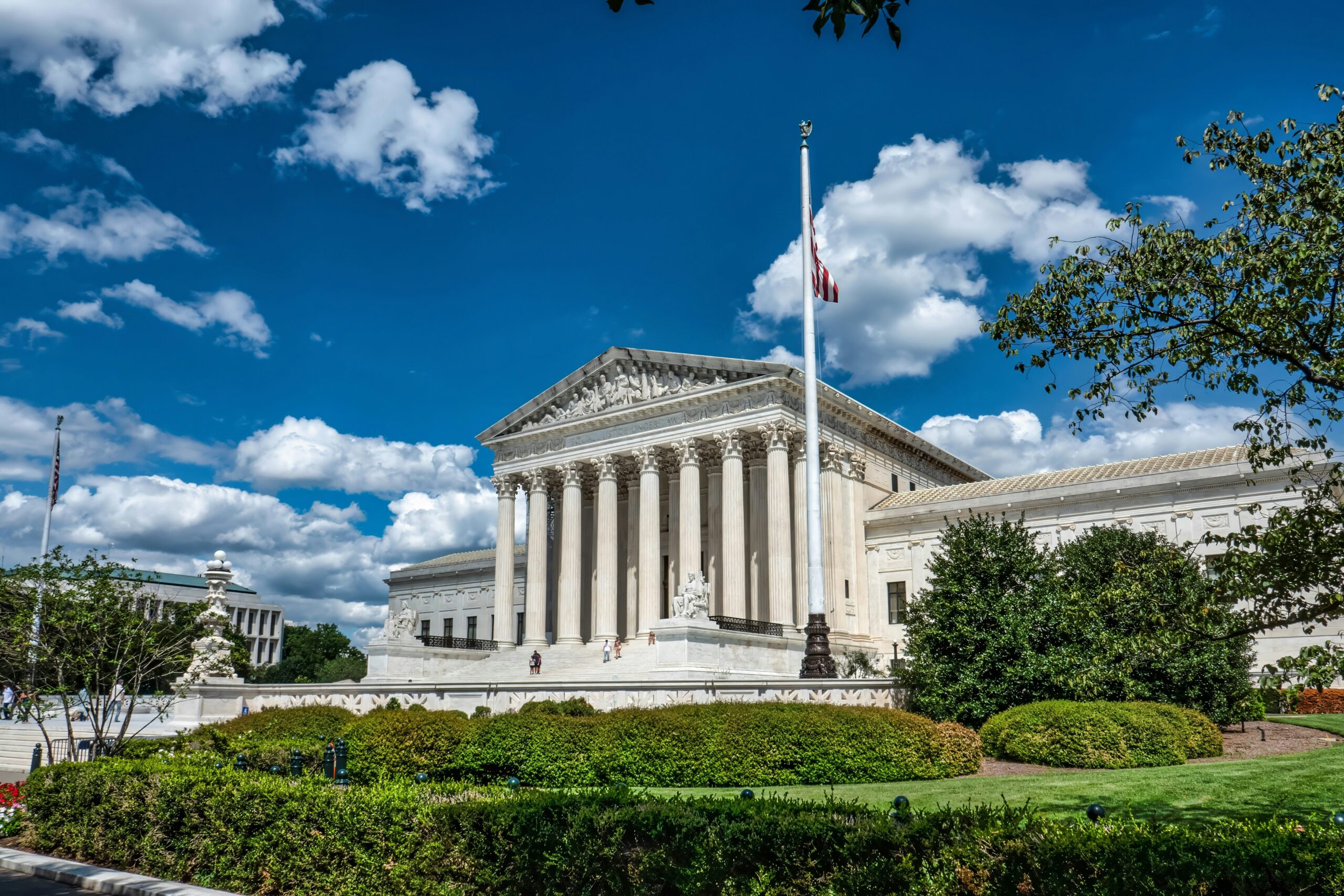
In a landmark 5–4 decision, the Supreme Court has allowed the Trump administration to terminate over $783 million in NIH grants tied to diversity, equity, and inclusion (DEI) initiatives. But that’s only half the story.
In a second 5–4 vote—within the same ruling—the Court also chose to leave in place a lower court’s decision that vacated NIH’s internal DEI guidance documents. Together, these rulings mark a seismic shift in how federal agencies can define and distribute research funding.
The Two-Part Decision
- Grant Terminations Allowed The Court blocked a Massachusetts judge’s order requiring NIH to continue funding DEI-linked grants. Justice Barrett cast the deciding vote, siding with Justices Thomas, Alito, Gorsuch, and Kavanaugh. The majority cited jurisdictional limits, arguing that the district court lacked authority to enforce payment obligations under federal contracts.
- Guidance Documents Vacated In a twist, Barrett joined Chief Justice Roberts and the liberal justices to uphold the district court’s decision to throw out NIH’s internal DEI guidance. This means the agency’s policy documents—used to justify the grant terminations—are no longer valid.
Justice Ketanji Brown Jackson didn’t hold back, calling the ruling “Calvinball jurisprudence… with a twist,” adding:
“We seem to have two [rules]: that one, and this Administration always wins.”

We can’t overlook the strategic impact of President Trump’s SCOTUS appointments in his first term. These rulings underscore the enduring influence of Trump’s three appointments. With Barrett, Gorsuch, and Kavanaugh now firmly on the bench, the Court has shown a willingness to:
- Rein in agency discretion
- Challenge ideological funding frameworks
- Reassert constitutional and procedural boundaries
Justice Barrett’s swing vote on both issues highlights just how pivotal these appointments have become—not just for headline cases, but for the mechanics of federal governance.
The terminated grants funded research into:
- LGBTQ youth mental health
- DEI-focused medical education
- Environmental justice and reproductive health
Plaintiffs warned of “incalculable losses in public health and human life,” citing delays in clinical advancements and the collapse of long-term research pipelines. The lawsuit was led by a coalition of Democratic attorneys general, public health organizations, and research institutions, many of whom had received NIH funding for DEI-linked projects.
Massachusetts Attorney General Andrea Joy Campbell, who co-led the multistate lawsuit, issued a statement:
“Even though the Court did not dispute that the Trump Administration’s decision to cut critical medical and public health research is illegal, they ordered the recipients of that funding—hospitals, researchers, and the state—to jump through more hoops to get it back. All the while, our research institutions, economy, and residents who depend on this lifesaving medical research will suffer.”
Her office has vowed to continue fighting for the restoration of funds and accountability under the rule of law.
What’s next?
- NIH can begin terminating grants immediately.
- The guidance documents remain vacated, weakening future DEI-based funding rationales.
- The case may return to the Court of Federal Claims, but the Supreme Court’s direction is clear.
This ruling marks a decisive victory for the Trump administration and a meaningful win for taxpayers. By affirming the administration’s authority to terminate over $783 million in NIH grants tied to DEI initiatives, the Supreme Court has reinforced the principle that federal funding should reflect merit-based priorities, not ideological mandates. The Court’s decision to vacate NIH’s internal guidance documents further dismantles the bureaucratic scaffolding that enabled politically driven grantmaking. Together, these outcomes restore accountability, curb wasteful spending, and signal a broader shift toward constitutional governance, made possible in large part by the strategic appointments of Justices Barrett, Gorsuch, and Kavanaugh.
References:
Support Our Mission If you value clear analysis, constitutional accountability, and rapid-response advocacy, help us keep going. Your donation makes it possible.