


Florida Bans Potent New Opioid While FDA Pushes for Nationwide Action
Last week, the U.S. Food and Drug Administration (FDA) issued a nationwide warning about 7-hydroxymitragynine, or 7-OH—a highly concentrated and extremely potent byproduct of the kratom plant. While kratom in its natural leaf form is not the target of these actions, 7-OH is a different story. When isolated and concentrated, this substance can be more potent than morphine and has a high potential for abuse, addiction, and overdose.
Why Parents Should Be Concerned
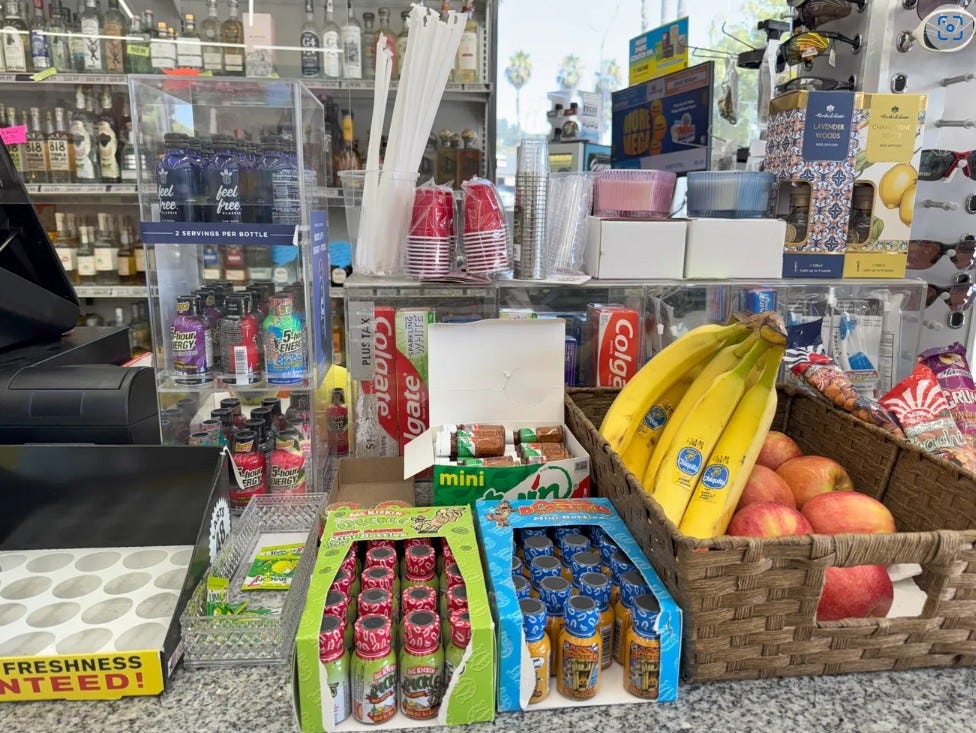
The FDA is sounding the alarm because these products aren’t just in shady back-alley deals—they’re in gas stations, vape shops, and even convenience stores across America. They’re sold as fruit-flavored gummies, colorful ice cream cones, and drink mixes—products deliberately designed to appeal to children and teenagers. Worse, they are often mislabeled or disguised as “natural kratom,” leaving parents completely in the dark about what their kids may be consuming.
FDA Commissioner Dr. Marty Makary put it bluntly:
“Vape stores are popping up in every neighborhood in America, and many are selling addictive products like concentrated 7-OH… 7-OH is an opioid that can be more potent than morphine.”
Florida Leads the Way
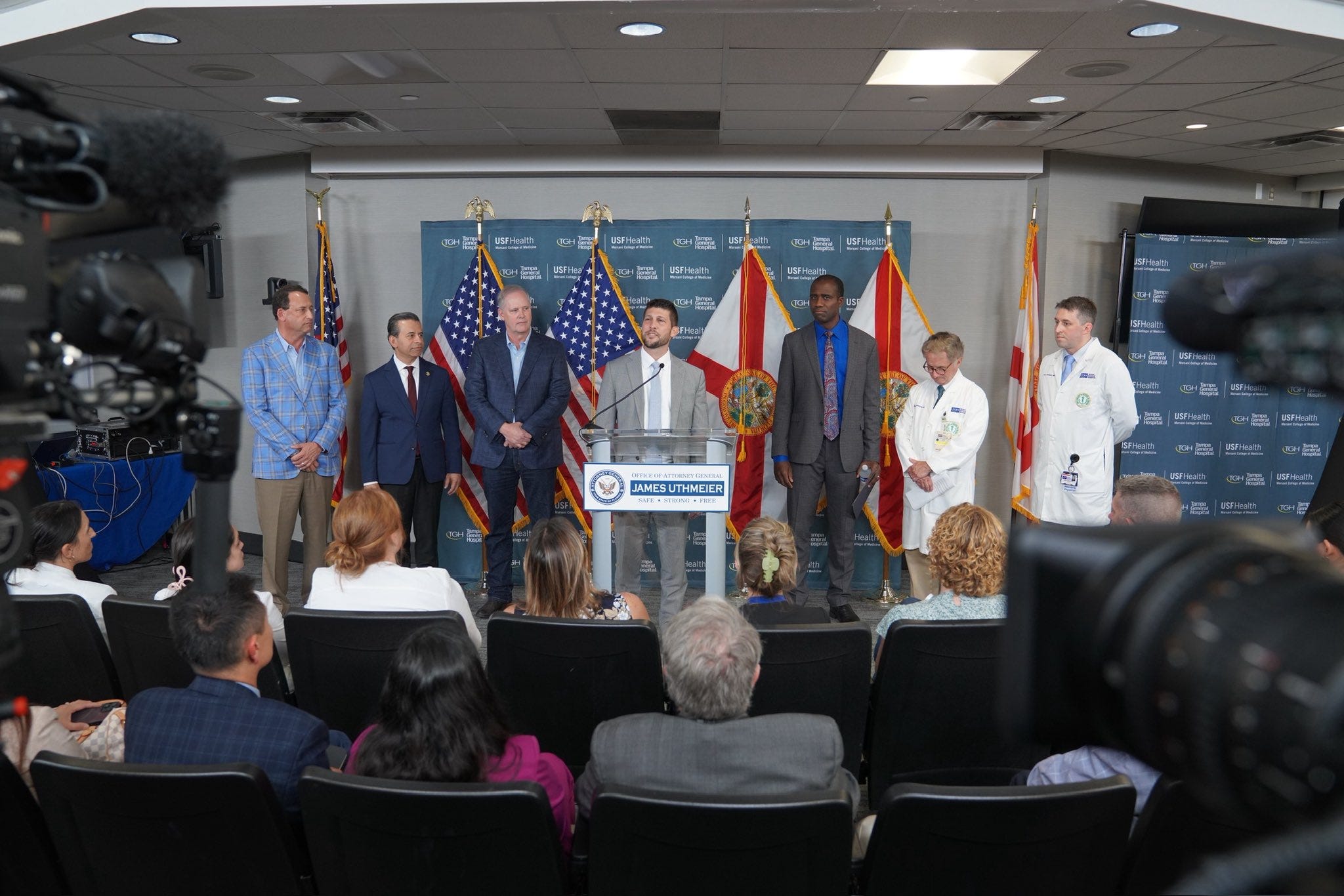
While the federal government moves toward officially placing 7-OH under the Controlled Substances Act, Florida isn’t waiting. Florida Attorney General James Uthmeier has issued an emergency rule making it immediately illegal to sell, possess, or distribute any isolated or concentrated form of 7-OH in the state. Under Florida law, it’s now treated the same way as heroin or fentanyl analogs: substances with no accepted medical use and a high potential for abuse.
Florida officials made it clear: this action is about protecting children. The products have already been linked to increased ER visits and poison control calls, many involving people under 25. And because these items have been sold in kid-friendly packaging, the risk is far higher for accidental use or intentional experimentation by teens.
The Bigger Picture
We’ve seen this play out before: an addictive substance is marketed as “natural,” “safe,” or “legal,” flooding stores before parents and lawmakers even know it exists. By the time the truth comes out, lives have already been destroyed.
The FDA and Florida are taking strong first steps, but it’s going to take vigilant parents, engaged communities, and proactive lawmakers in every state to keep dangerous, mislabeled opioids out of the hands of our kids.
What You Can Do
- Check your local stores — If you see 7-OH products (sometimes disguised as kratom shots, powders, or gummies), alert local authorities.
- Educate your kids — Have honest conversations about the dangers of “new” drugs sold as candy or wellness products.
- Push for state action — Florida’s emergency rule is a model for other states. Ask your legislators where they stand on banning concentrated 7-OH.
- Share this information — Most parents have never heard of 7-OH. The more people know, the faster we can stop its spread.
This is one of those moments where we either act decisively or watch history repeat itself. It’s up to us to make sure our children aren’t the next victims of an opioid epidemic.